Warehouse Ventilation: 5 Signs Your Facility Needs Better Airflow

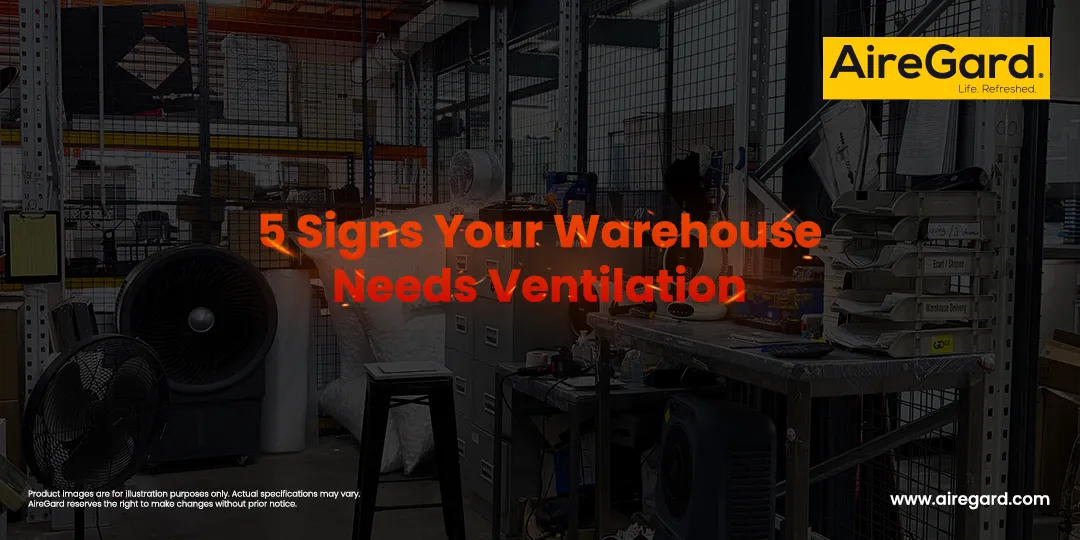
5 Signs Your Warehouse Needs Ventilation

Warehouse ventilation plays a critical role in worker comfort, safety, and operational efficiency. However, many warehouses operate with poor airflow without realising the long-term impact. As temperatures rise and daily activity increases, ventilation issues become more obvious and more costly.

If your facility shows any of the signs below, it may be time to improve airflow and upgrade your warehouse ventilation system.

1. Excessive Heat and Uneven Temperatures

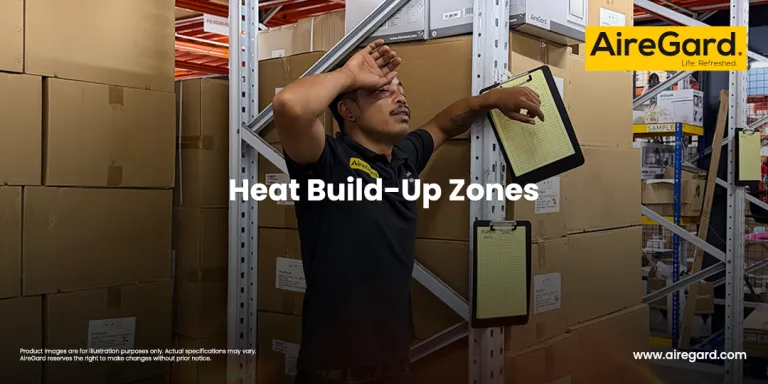
One of the most common signs of poor warehouse ventilation is excessive heat. In many facilities, warm air gets trapped near the ceiling while the working area remains hot and uncomfortable.

As a result, workers experience fatigue faster and productivity drops. Moreover, uneven temperatures force air-conditioning systems to work harder, increasing energy costs.

2. Stagnant Air and Poor Air Movement

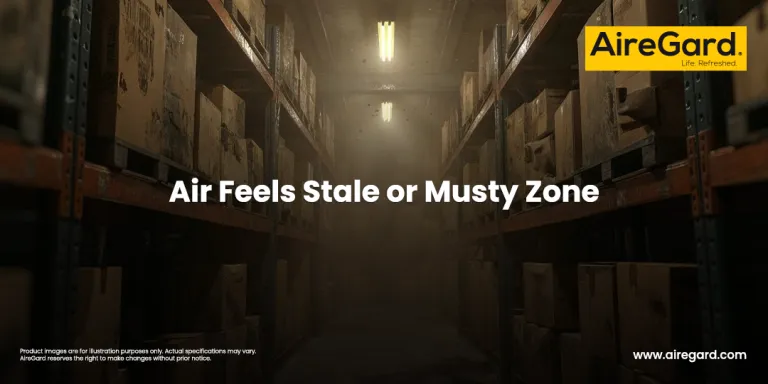
When air feels heavy or still, it usually indicates insufficient warehouse ventilation. Without proper circulation, fresh air cannot replace stale air effectively.

Consequently, dust, fumes, and airborne particles remain trapped inside the facility. Over time, this leads to discomfort, health concerns, and a less pleasant working environment.

3. High Humidity and Condensation Issues

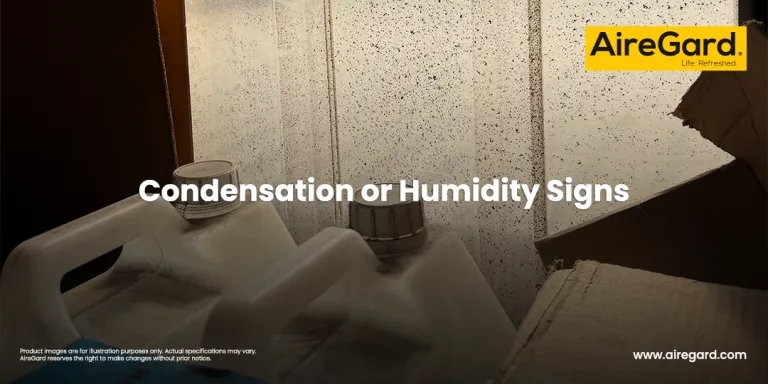
High humidity is another clear warning sign. Poor ventilation allows moisture to build up, especially in warehouses located in warm or coastal regions like Malaysia.

Because of this, condensation may form on ceilings, walls, or equipment. Not only does this increase the risk of corrosion and product damage, but it also creates unsafe working conditions.

4. Increased Worker Fatigue and Discomfort

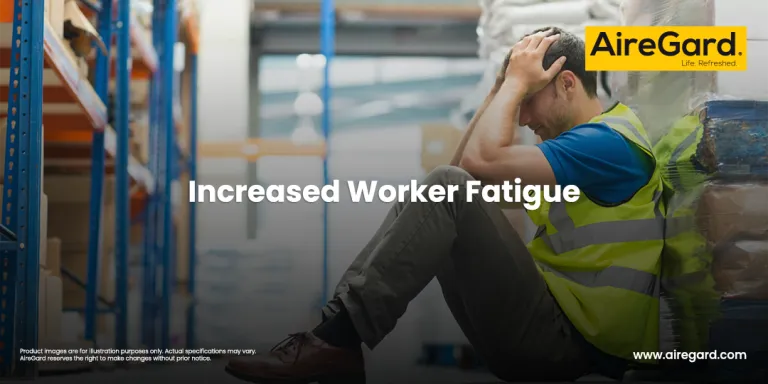
Worker comfort is directly linked to airflow. When warehouse ventilation is inadequate, heat stress becomes more common during long shifts.

As a result, employees tire more quickly and concentration levels drop. In addition, uncomfortable conditions often lead to higher absenteeism and reduced overall efficiency.

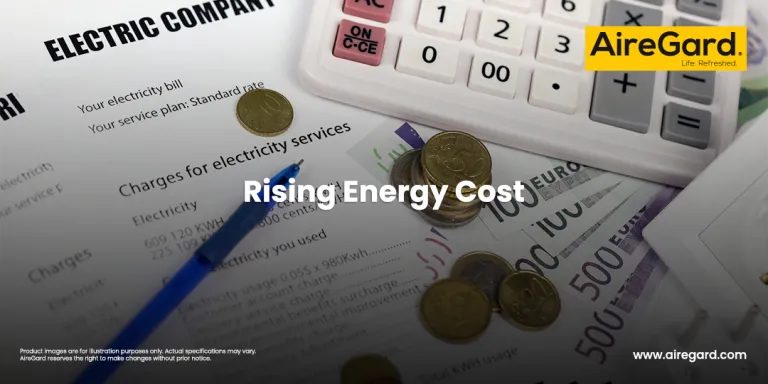
5. Rising Energy Costs with Little Improvement in Comfort

If your electricity bills continue to rise but the warehouse still feels hot, ventilation may be the underlying issue. Poor airflow causes cooling systems to operate inefficiently.

Therefore, improving warehouse ventilation can reduce reliance on air conditioning while delivering better comfort across the entire space.

Why Proper Warehouse Ventilation Matters

Effective warehouse ventilation improves airflow, reduces heat buildup, and supports healthier working conditions. It also helps stabilise indoor temperatures and lowers long-term energy costs.

According to ASHRAE ventilation guidelines, proper air movement is essential in large industrial spaces. Additionally, energy-efficient ventilation solutions align with Malaysia’s Green Building Index (GBI) standards.

Upgrade Your Warehouse Ventilation System

If your facility shows any of these signs, it may be time to take action. Solutions such as HVLS fans and industrial ventilation systems help move large volumes of air efficiently across wide spaces.

By upgrading warehouse ventilation, businesses can improve comfort, enhance safety, and operate more sustainably.

Contact AireGard today to assess your warehouse airflow and find the right ventilation solution for your facility.

Talk to Sales Consultant WhatsApp Us